

What NFHS-5 found on anaemia
Anyone planning anaemia screening in India should start with the National Family Health Survey. NFHS-5, carried out in 2019-21 for the Ministry of Health and Family Welfare, measured haemoglobin from a drop of capillary blood in households across the country. Its message is blunt: anaemia touches every age group it measured.
- Children aged 6-59 months with anaemia
- 67.1% (NFHS-5)
- Women aged 15-49 with anaemia
- 57.0% (NFHS-5)
- Adolescent girls aged 15-19 with anaemia
- 59.1% (NFHS-5)
- Men aged 15-49 with anaemia
- 25.0% (NFHS-5)
Pregnant women were not spared either: 52.2% were anaemic. Men are often left out of anaemia conversations, yet one in four men aged 15-49 was anaemic, and so were 31.1% of boys aged 15-19.
The trend is moving the wrong way
The worrying part is not only the size of the numbers but their direction. Compared with NFHS-4 (2015-16), anaemia rose in every group the survey tracks:
- Children aged 6-59 months: from 58.6% to 67.1%
- All women aged 15-49: from 53.1% to 57.0%
- Adolescent girls aged 15-19: from 54.1% to 59.1%
- Men aged 15-49: from 22.7% to 25.0%
For context, WHO estimates that worldwide about 40% of children aged 6-59 months, 37% of pregnant women and 30% of women aged 15-49 are anaemic. India's figures for children and women are well above those global estimates.
NFHS-5 measured haemoglobin in capillary (finger-prick) blood, and its fact sheet says its results need not be compared with surveys that used venous blood. Keep this in mind when you compare your own screening data with national figures.
Who is most affected: rural areas, girls and some states
National averages hide large gaps. The NFHS-5 national fact sheet and state tables show where the burden is heaviest:
- Rural vs urban: 60.2% of rural adolescent girls were anaemic, against 56.5% in towns and cities. Among men aged 15-49, the figures were 27.4% in rural areas and 20.4% in urban areas.
- State differences: anaemia among children aged 6-59 months ranged from 79.7% in Gujarat to 39.4% in Kerala.
- Life stage: adolescent girls had higher rates than women overall, just as they move into college, work and, for many, early motherhood.
For a district health officer or a CSR head, this means one plan will not fit everywhere. A rural block, a tribal area, a girls' college and an urban office will each need different priorities, and the only way to know your own numbers is to measure them.
Why anaemia deserves attention from decision-makers
Anaemia means the blood has fewer red blood cells, or less haemoglobin, than normal, so the body gets less oxygen. WHO describes it as a serious public health problem that mainly affects young children, menstruating adolescent girls and women, and pregnant and postpartum women.
Many people with mild anaemia feel only tired or short of breath and put it down to a busy life, which is one reason it can go unnoticed. In a school, it can show up as children who find it hard to concentrate. At work, it can mean staff who tire easily. In maternal health programmes, it is a concern during pregnancy.
Low haemoglobin is a sign, not a cause. Iron deficiency is common, but other deficiencies, infections and inherited blood disorders such as sickle cell disease can also cause anaemia. Treatment depends on the cause, which is a decision for a doctor.
This is general information, not medical advice. If you or someone in your family feels constantly tired, breathless or dizzy, see a doctor. Do not start iron or any other medicine without medical advice. For fainting, chest pain or severe breathlessness, call 112 or 108 at once.
What screening can do about it
The government's Anaemia Mukt Bharat programme uses a 6x6x6 strategy: six interventions, six beneficiary groups and six institutional mechanisms. Testing is central to it, because supplements and diet advice work better when you know who is anaemic and can check whether their haemoglobin improves.
Screening also supports the National Sickle Cell Anaemia Elimination Mission, which aims to eliminate sickle cell anaemia by 2047. According to PIB, 6 crore people had been screened for sickle cell disease, against a target of 7 crore people aged 0-40 in affected tribal areas.
A simple screening programme in five steps
- Choose your groups: adolescent girls, women of reproductive age, young adults in hostels, workers in heavy jobs and older adults.
- Test haemoglobin by finger-prick and record each result against the person, not just as a tally.
- Refer everyone with a low reading to a doctor, who decides on further tests and treatment.
- Re-test after a few months to see whether levels are improving.
- Review the data by site, age and gender so the next round targets the right places.
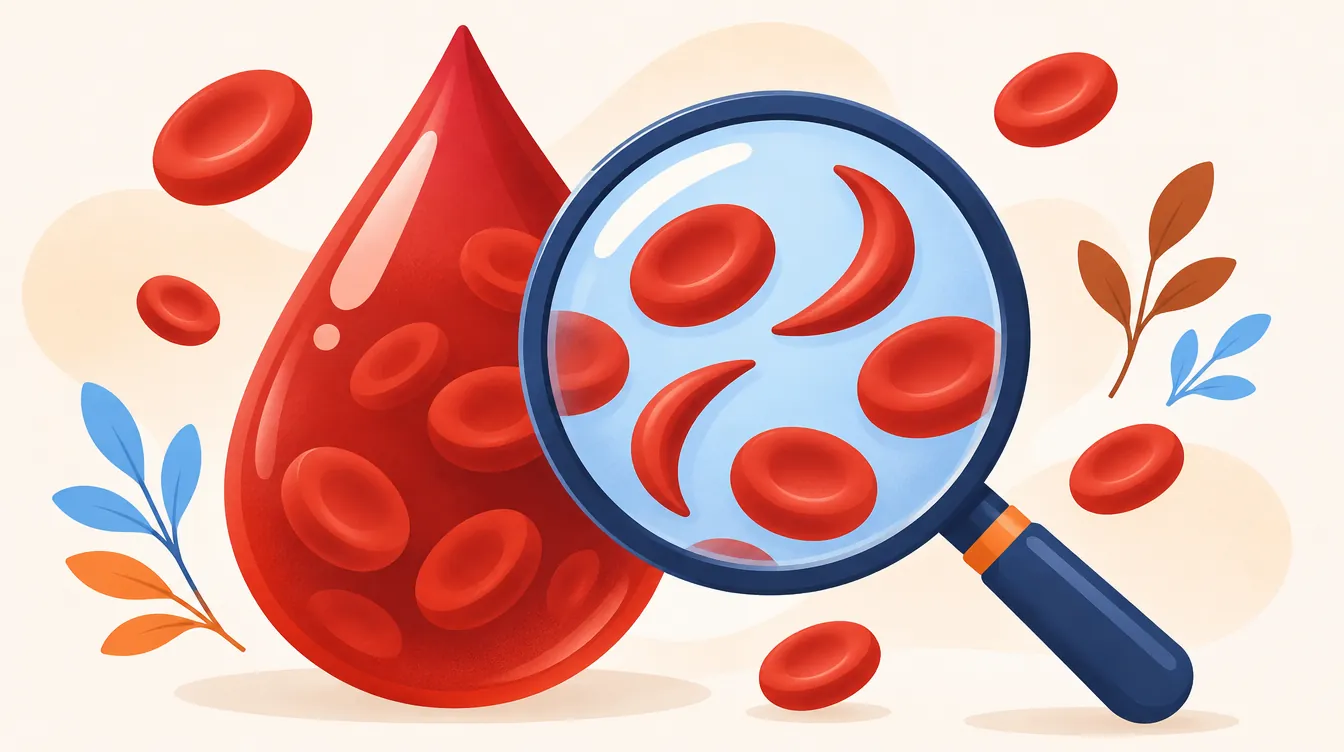
Where sickle cell disease is common, or where a doctor needs more than one number, a complete blood count (CBC) and sickle cell screening add useful detail. Our guide to Health ATM tests and parameters explains what each panel measures.
Where a Health ATM fits into anaemia screening
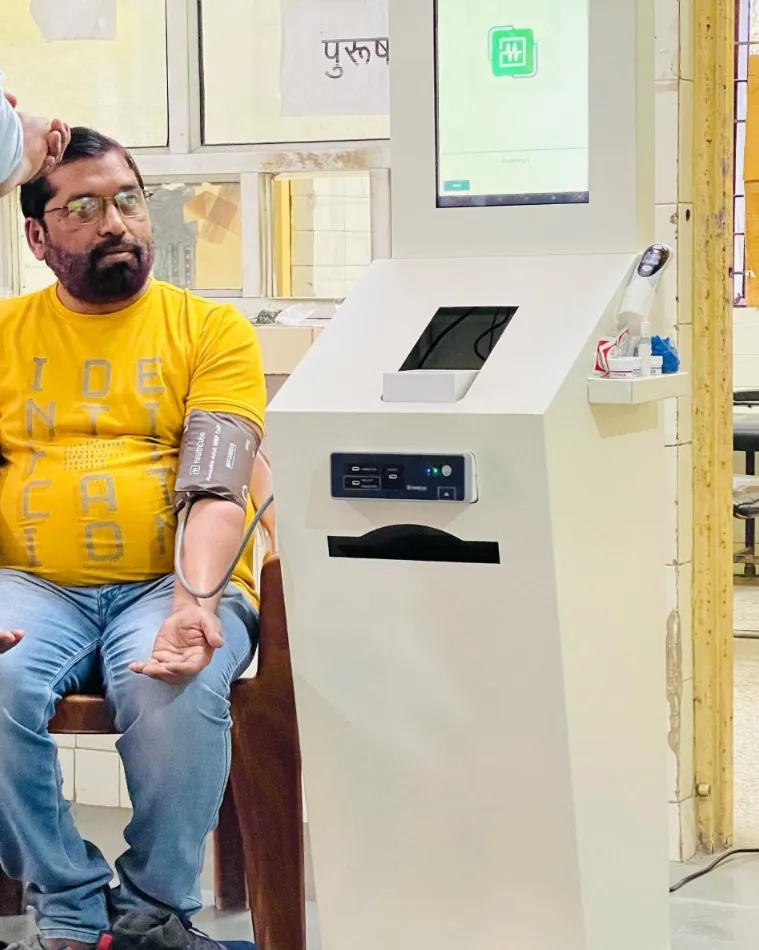
A Health ATM brings these tests to places people already visit, such as a PHC, a school or college, a factory gate or a housing society. Cloudspital makes AI Health ATMs at its own facility in Greater Noida. For anaemia work, the CPL-HA-07 Health ATM with CBC and sickle cell screening is a natural fit: its 121-test menu includes a CBC and sickle cell screening alongside routine checks such as blood pressure and blood sugar.
- Doctor in the loop: the kiosk screens and measures; a doctor reviews the results on video and can issue an e-prescription.
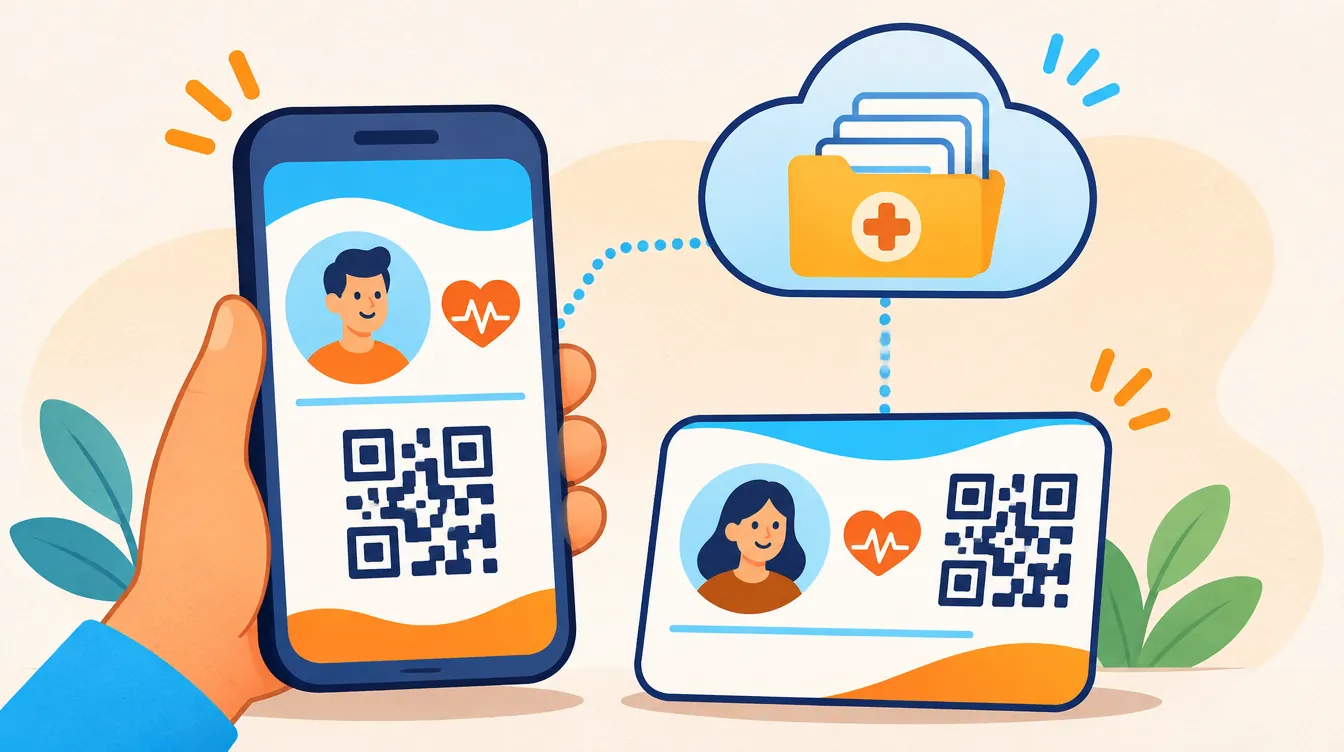
- Reports people keep: printed at the kiosk and sent by SMS and WhatsApp, with ABHA and ABDM integration and cloud records for follow-up.
- Built for rural sites: voice-guided in English, Hindi and regional languages, and it works offline and syncs later.
- Data and service: data hosted in India and aligned with the DPDP Act 2023, with a 5-year comprehensive on-site warranty.
If your programme also needs liver and kidney function or the full 170-test menu, compare the CPL-HA-07 kiosk for CBC and sickle cell screening with the other models on our products page.
Next step: download the 6-page brochure from the CPL-HA-07 model page, then book a demo or request a written quote for your district, campus or CSR programme.
Sources
- Anaemia Mukt Bharat: prevalence of anaemia as per NFHS-5, Press Information Bureau, Government of India
- National Family Health Survey - 5 (2019-21): India Fact Sheet, Ministry of Health and Family Welfare / IIPS
- Anaemia, World Health Organization
- NFHS-5 paints an anaemic picture of child health and nutrition, Down To Earth
How this article was made: drafted with AI assistance, checked against the sources above, and read and approved by the Cloudspital team before publishing. It is general information, not medical advice.