
The slip queue: where the OPD day is lost
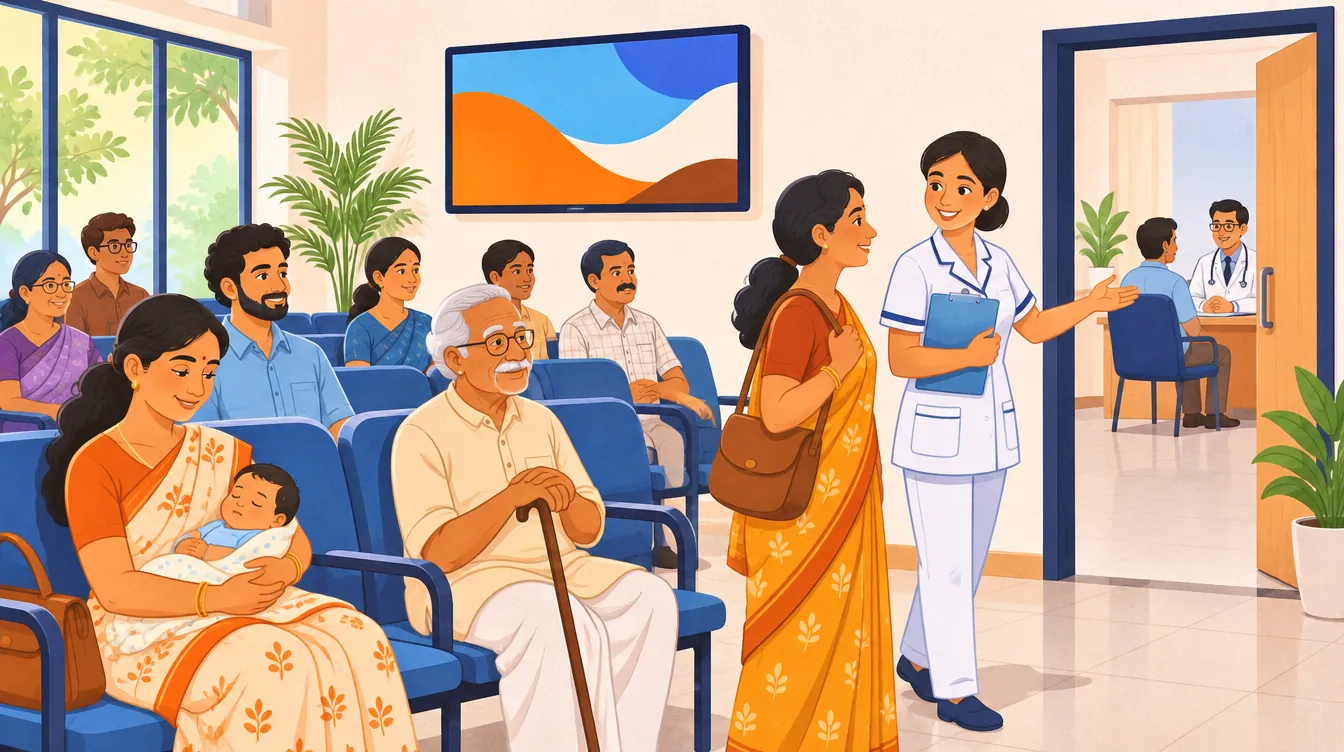
In many government hospitals, the first wait of the day has nothing to do with the doctor. Patients arrive early, often from far away, and stand in line for an OPD slip. Only after that do they find the right department and join a second queue outside the room. Then they finally get a few minutes with a doctor.
The registration window is a known bottleneck. One study looked at the adult OPD registration windows of a tertiary public hospital. It found that walk-in patients waited far longer at the registration window than patients who had registered online. On crowded mornings, these waits add up across the whole visit.
Why the counter struggles
- Every patient goes through the same few steps: name, age, address, department and fee, typed in by one clerk at a time.
- Many patients are unsure which department they need, so the counter also becomes an enquiry desk.
- Language gaps slow the conversation, especially with elderly patients and first-time visitors.
- Once the slip is issued, nobody knows how long each doctor's queue is, so some rooms overflow while others are quieter.
What an OPD registration kiosk does
An OPD registration kiosk moves these routine steps to a self-service screen. Several patients can register at once, and staff can focus on people who need help. The kiosk does not replace the reception team. It gives them a faster front door and a clear view of the queue.
It also fits the direction national policy has already set. Under the Ayushman Bharat Digital Mission (ABDM), the National Health Authority runs an ABHA-based Scan and Share service. It lets patients get instant OPD tokens by scanning a QR code, and India now has over 93 crore ABHA accounts. When hospitals link registrations to ABHA, patients build a digital health record they can use at other hospitals too. Our guide to ABHA integration for health kiosks explains the basics.
- ABHA accounts created
- Over 93 crore (PIB, July 2026)
- Health records linked to ABHA
- Over 104 crore (PIB, July 2026)
- ABHA-linked tokens issued at health facilities
- Over 23 crore, as on 18 June 2026 (PIB)
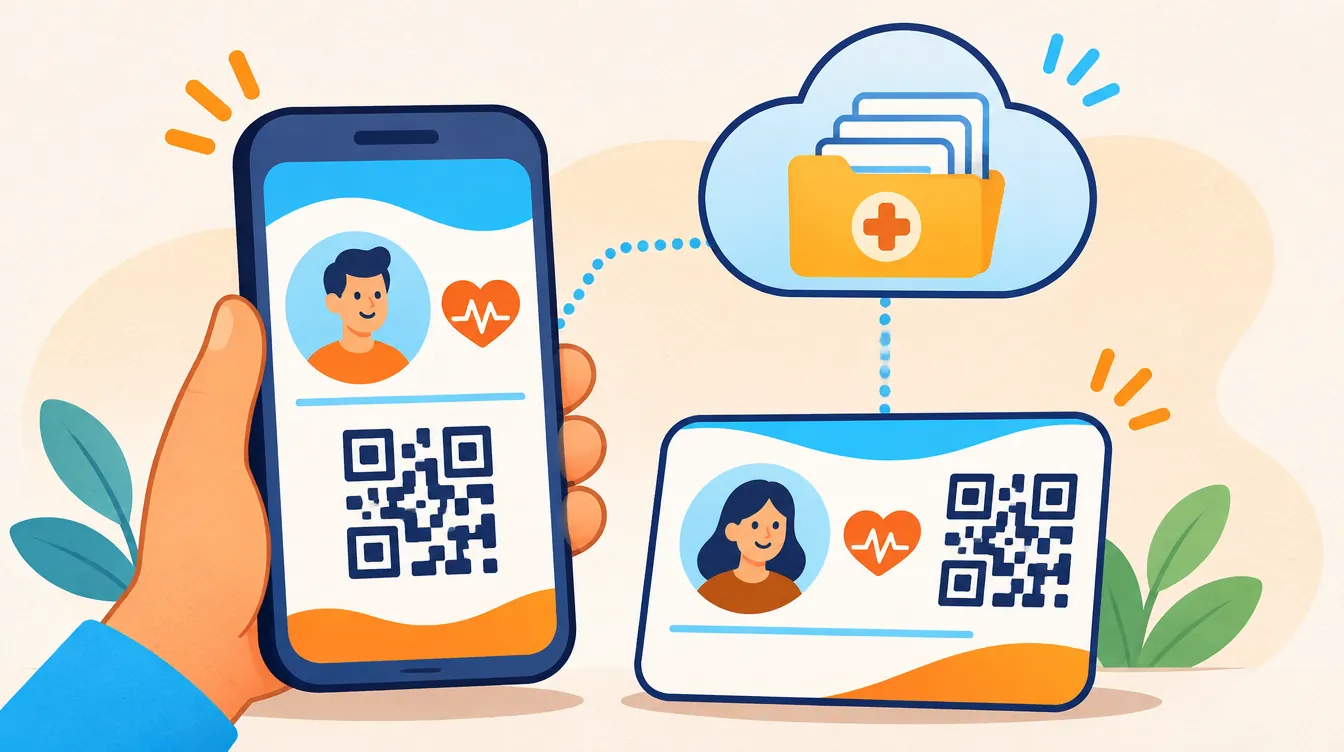
One visit at the kiosk, step by step
Here is how a visit works on Ekaay.AI Reception, Cloudspital's AI receptionist kiosk for OPD registration.
- Describe the problem. The patient describes the problem in their own language and Ekaay suggests a department. Reception staff check the suggestion and can change it.
- Confirm identity. The patient verifies identity through ABHA, Aadhaar or mobile OTP. Every registration is linked to ABHA.
- Choose a doctor. The screen shows the doctors in that department with their live waiting times, and the patient picks one.
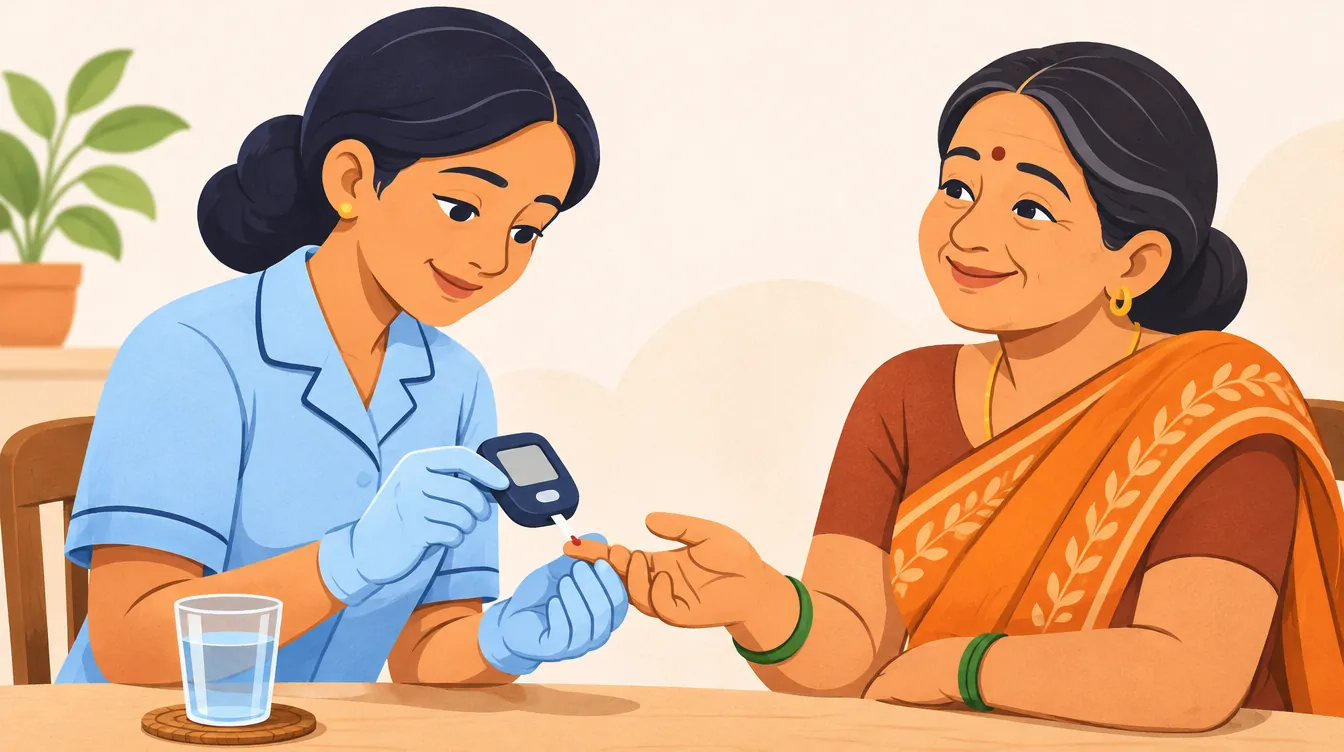
- Record vitals. On the same kiosk, the patient completes an AI face scan and has their blood pressure, weight and height measured. The doctor then has these readings at the start of the consultation.
- Pay any fee. If a registration fee applies, the patient pays it by UPI.
- Collect the token. The kiosk prints a token sticker that goes straight into the OPD booklet.
- Wait somewhere comfortable. Token screens at every room show who is next, and WhatsApp alerts tell the patient when their turn is near.
The slip queue disappears because nobody needs a slip from the counter any more. The patient walks from the kiosk to the right room with a token, a chosen doctor and their vitals already recorded.
Ekaay informs; doctors decide
For a hospital superintendent, the key question is safety. The answer lies in how responsibilities are divided.
- The department suggestion only directs the patient; it is not a diagnosis. It helps send the patient to the right OPD, and reception staff check it and can change it.
- Vitals are measurements. Blood pressure, weight and height are recorded for the doctor to review. Face-scan readings are wellness indices, not a diagnosis.
- The doctor decides. Assessment, tests and treatment remain the doctor's decision, as in any OPD visit.
- Staff stay involved. Elderly patients, people with disabilities and anyone unsure of the screen should be able to get help from a staff member or at a regular counter.
An OPD kiosk is for planned outpatient visits. Anyone with chest pain, breathlessness, heavy bleeding, an injury or another emergency should go straight to casualty, or call 112 or 108.
What to plan before a rollout
Hospital superintendents, CMOs and state health officials usually look at the points below before starting a pilot. Our page on technology for government hospitals covers the wider picture.
- Placement and flow: where the kiosks sit relative to the entrance, the existing counters and the OPD corridors, and how many you need for peak hours.
- Staff roles: who checks department suggestions, who helps patients at the screen, and who handles exceptions such as referrals and follow-ups.
- Room displays: token screens at every consulting room, so patients and doctors see the same queue.
- Systems: how registrations, ABHA links and vitals reach the hospital's existing records.
- Data protection: consent, access control and storage in line with the Digital Personal Data Protection Act, 2023.
- Languages and signs: the languages your patients speak, and clear signs that tell them where the kiosk is.
Cost depends mainly on how many kiosks and room displays you need, the integration work and the scope of support. There is no single list price, so ask for a written quote based on your hospital's layout.
Piloting Ekaay.AI Reception
Cloudspital is a DPIIT-recognised startup and a GeM OEM vendor. It builds health kiosks at its own facility in Greater Noida, Uttar Pradesh, and has 1,500+ units in government installations across India. Ekaay.AI Reception brings that experience to the OPD front desk. Data is hosted in India, aligned with the DPDP Act 2023.
Pilots are open for hospitals. A pilot lets your team test the process in your own OPD, with your departments, languages and staff, before you decide on a wider rollout. You can read the full feature list on the Ekaay.AI Reception page, then book a meeting to discuss a pilot or request a written quote.
Sources
- Ayushman Bharat Digital Mission: India's Digital Health Backbone (6 July 2026), Press Information Bureau
- National Health Authority Achieves Milestone with 4 Crore OPD Registrations Through ABHA-based Scan and Share Service, Press Information Bureau, Ministry of Health and Family Welfare
- Association of waiting time and satisfaction level of patients with online registration system in a tertiary level medical institute outpatient department (OPD), Elsevier (ScienceDirect)
How this article was made: drafted with AI assistance, checked against the sources above, and read and approved by the Cloudspital team before publishing. It is general information, not medical advice.